

Table of Contents
Would you prefer to peel your apples or leave the skin on? It’s a question that gets asked a lot.
Apples are a favorite fruit, enjoyed by people everywhere. Whether it’s the tart crunch of a Granny Smith, the sweetness of a Fuji, or the aroma of a Red Delicious, millions of people eat apples daily, drawn in by their taste and health benefits. But a surprisingly common debate pops up: peel or no peel? Some people worry about pesticides, while others believe the peel is where all the good stuff is.
This guide will look at apple nutrition, the advantages of the skin, safety concerns, and the best ways to prepare apples at home. By the end, you’ll know how to eat apples for maximum enjoyment and health benefits.
Apples: A Fruit with Global Appeal and Nutritional Value
Apples are a fruit that people all over the world enjoy. They are not only delicious, but they also offer a lot of health benefits. Apples are a beneficial source of vitamins and minerals, and they are low in calories. Eating apples can help you stay healthy and feel good.
- Apples: A Fruit with Global Appeal and Nutritional Value
- A medium apple provides several advantages:
- Dietary fiber: that’s what keeps everything flowing smoothly.
- Vitamin C: a fortification for your body’s natural defenses.
- Polyphenol antioxidants help protect against the damage caused by free radicals.
- Potassium is beneficial for heart health, too.
- The sugars found in nature provide a boost without the inevitable crash that follows.
However, these benefits aren’t distributed evenly. The peel is where much of the fiber and phytonutrients reside, making it a crucial component of an apple’s healthfulness.
Studies indicate that up to half of an apple’s antioxidant capacity is found in the peel, including flavonoids like quercetin, which are believed to reduce inflammation and safeguard the brain.
While peeling the apple retains its vitamins, it also eliminates a significant portion of nature’s protective elements.
An explanation of the significance of apple skin is provided.
That’s where it gets intriguing. The apple’s skin serves as its armor, a protective layer against the sun, pests, and the rigors of its environment. Nature equips the peel with beneficial compounds that also provide us with nutrients:
Digestive Aid
The peel is what makes apples a digestive powerhouse. The fiber, which doesn’t dissolve, acts like a broom, keeping everything flowing and helping to avoid constipation.
Antioxidant Power
Flavonoids and phenolic compounds present in apple peels act as a defense against oxidation. This process decelerates cellular aging, fosters skin health, and aids in diminishing inflammation.
Cardiovascular health is a crucial area of study.
The antioxidants found in the peel can actually help reduce the amount of bad cholesterol, known as LDL. This, in turn, helps safeguard your arteries and contributes to a healthier heart.
Maintaining a healthy weight offers a range of advantages.
Because fiber moves slowly through your system, it takes longer to break down. This slower digestion contributes to a feeling of satiety, which can help curb those pesky cravings.
Removing the peel from an apple means losing the bulk that would otherwise keep you feeling satisfied for a longer stretch.
Improved Blood Sugar Control
The fiber found in the peel plays a role in regulating how quickly your body absorbs natural sugars, thus preventing those jarring spikes in blood sugar.
Considering these benefits, nutritionists often stress the value of leaving the apple skin intact for the best health outcomes.

Apple Nutrition: What changes when you peel an apple?
Removing the skin from apples, while seemingly innocuous, actually changes their nutritional value quite a bit.
Apples lose some of the following nutritional aspects:
- The removal of the skin reduces a significant portion, up to one-third, of the total fiber content.
- Many substances are known for their antioxidant properties.
- A significant amount of vitamins, including Vitamin C,
- Phytonutrients, which are plant-based compounds, are associated with a reduced risk of cancer.
Peeled apples become softer, sweeter, and easier to digest, which could be advantageous for:
- When toddlers or infants start eating fruit
- People with digestive disorders often need to follow a low-fiber diet.
- Older adults who have difficulty chewing
Therefore, peeling isn’t always a detrimental choice, but it should be a deliberate one.
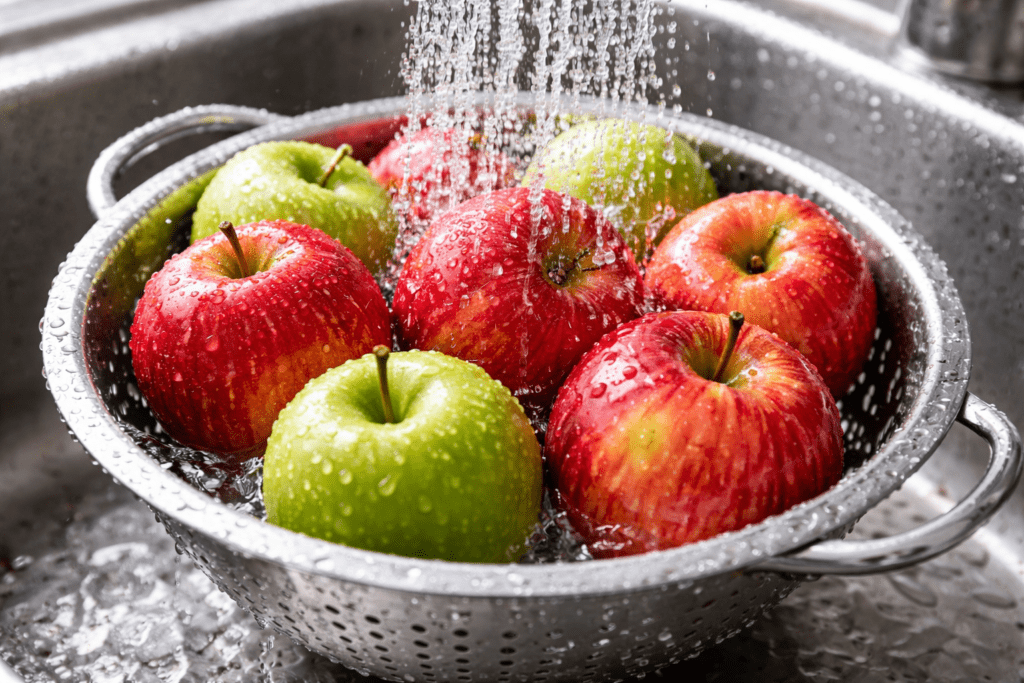
The principal concern centers on pesticide residues present on the peel.
However, experts recommend thorough washing instead of peeling for the following reasons: This constitutes the primary rationale for peeling. Apples frequently feature on international lists of fruits with elevated pesticide residues. Nevertheless, experts advocate for thorough washing rather than peeling due to the following reasons:
- Most pesticide residues are found on the surface.
- Washing removes a significant amount of these contaminants.
- Removing the skin can lead to the loss of important nutrients.
Apple Nutrition: The most effective ways to clean apples:
- Begin by giving them a thorough rinse under running water, making sure to do so for a minimum of 15 to 20 seconds.
- Another option is a baking soda solution. Mix one teaspoon of baking soda with two cups of water.
- A soft scrub with a fruit brush works well, too. A gentle scrub with a fruit brush is another option.
- Steer clear of commercial soaps; they can leave behind irritating leftovers.
While organic apples generally have fewer pesticide residues, a thorough wash is still a wise precaution. Employing safe cleaning techniques ensures you can enjoy the complete nutritional benefits without concern.
Peeling is sometimes the right call.
- Peeling apples can be a beneficial idea, especially if you’re dealing with digestive problems like IBS or if you’re on the mend after an operation.
- Peeling is advised for infants aged 1 to 2 years.
- Peeling is often a necessary step when you’re making smooth-textured treats such as applesauce, jams, purees, or pies.
- Furthermore, if the skin exhibits any signs of harm, such as bruises, or if it tastes bitter, it’s best to throw it away.

Occasionally, the decision to peel an apple simply depends on personal preference. But when you’re thinking about health, the advantages of the peel are pretty compelling.
When it comes to apples, the peel often gets overlooked. Is it truly beneficial to consume, or would it be better to discard it? Let’s take a closer look at the nutritional differences between the two.
Apple Nutrition: Apple Peel vs. Whole Apple Nutritional Breakdown
| Nutrient | Whole Apple | Peeled Apple |
| Fiber | High | Low |
| Vitamin C | Higher | Lower |
| Antioxidants | Much higher | Reduced |
| Sugar absorption | Slower | Faster |
| Satiety | Better | Reduced |
It’s like comparing a superhero, fully armed and ready, to one who can’t even leap a tall building.
Is Wax on Apples a Concern?
It may seem odd, but this wax is generally regarded as safe. That said, washing away the excess wax can actually improve the apple’s flavor and make it more appealing. Many apples, especially those that come from far away, get a coat of food-grade wax to keep them looking fresh. It might sound a little strange, but this wax is usually considered safe. Even so, rinsing off the extra wax can make the apple taste better and be cleaner.
A helpful hint: A soak in warm water, perhaps with a dash of salt or vinegar, can work wonders for cleaning an apple.
Best Practices: How to Eat Apples for Optimal Health
To enjoy the whole apple without worrying:
- Pick fresh apples that don’t have any marks on them.
- Wash them well with water and baking soda.
- Eat them raw to get the most out of them.
- Make sure you store them properly to avoid any issues.
- Mix up the apple varieties to get a wider range of nutrients.
And whenever you can, leave the peel on. Your body, heart, and skin will thank you.
Apple Nutrition: Delicious Ways to Enjoy Apples with the Peel
Eating whole apples doesn’t mean you have to eat the same thing every day. Think about:
- Apple slices with peanut butter
- Baked apples with cinnamon
- Apple skin chips (air-fried peels!)
- Apple and yogurt breakfast bowls
- Fresh apple salsa with mint
Being creative keeps the peel intriguing while still getting the health benefits.

The consensus among nutritionists is straightforward:
Apple Nutrition: The healthiest way to eat an apple is with the skin intact.
The peel is where you’ll find a wealth of fiber, vitamins, antioxidants, and phytonutrients. Only peel an apple if you have specific digestive issues or if you’re feeding a baby. When washed and handled properly, the skin contributes to your well-being, not the other way around.
So, the next time you reach for this wonderful fruit, keep in mind that the skin is a natural boon—leave it on and savor every crisp bite! Apples can easily become a daily habit, offering remarkable benefits over time.
Healthy eating isn’t just about the fruit you select; it’s also about how you eat it. Apples demonstrate that sometimes, the simplest adjustments, like keeping the peel, can lead to the most significant improvements.
Thank you for spending your time here today. Wishing you good health, clarity, and the joy of trying something new. There’s always more to explore—see you in the next post!
You may also enjoy these reads:
- Prediabetes Diet: 5 Fruits Diabetics Should Avoid
- Lemon Water Benefits for Fatty Liver Cure: 1 Shocking Truth
- 8 Powerful Reasons to Eat Pumpkin Seeds for Better Health
- The miracle apple: How to get the most out of this power fruit
- How apples protect your heart and boost your gut microbiota
- 5 Halloween Treats That Are Gentler on Teeth