

Table of Contents
Eye Signs of Kidney Problems: Early Kidney Disease Symptoms
Introduction.
Your eyes are called the windows to your soul, but they can also show your kidneys’ health. Although most people are aware that kidney disease can cause changes in urination, fatigue, or swelling, not everyone is aware that eye symptoms can also be early indicators of kidney disease.
This blog will discuss five eye-related symptoms that may suggest underlying kidney dysfunction. Early detection of these subtle yet important symptoms could potentially prevent more serious issues.
How Do the Kidneys and Eyes Connect?
Both the kidneys and the eyes rely on balanced fluids and healthy blood vessels. Your blood flow may be impacted, and your eyes may change if your kidneys begin to malfunction. Diabetes and high blood pressure, which frequently result in kidney disease, can also harm the small blood vessels in your eyes.
1. Eye signs of kidney problems include persistent puffiness.
Symptoms include puffiness that persists after rest and swelling around the eyelids, particularly in the morning.
Why It Happens:
This may indicate proteinuria, a condition in which damaged kidney filters (glomeruli) allow protein to leak into the urine. Protein loss causes fluid retention, which often first manifests around the eyes.

What You Can Do:
- To determine your protein levels, get a urine test.
- To minimize fluid retention, cut back on salt intake.
- For additional assessment, speak with a nephrologist.
2. Double or blurry vision.
What It Looks Like:
The symptoms include difficulty focusing, abrupt changes in vision, seeing double images, or experiencing halos.
Why It Occurs:
Blurred vision can be indirectly caused by kidney disease, particularly in those who have diabetes or high blood pressure. These disorders can harm the retina and impair vision by causing hypertensive retinopathy or diabetic retinopathy.

What You Can Do:
- Consult your physician about retinal screening.
- Monitor your blood pressure and sugar levels.
- Arrange for routine eye exams.
3. Eyes that are dry or itchy.
How It Appears:
- Gritty feeling
- Redness or irritation; frequent rubbing or blinking
Why It Occurs:
Waste products can accumulate in your blood as kidney disease worsens. We refer to this as uremia. Dry and itchy eyes can result from inflammation and decreased tear production.

What You Can Do:
- Apply artificial tears devoid of preservatives.
- Drink plenty of water.
- Talk to your doctor about the symptoms of uremia.
4. You may experience bloodshot or red eyes.
What It Looks Like:
• Blood vessels that are visible in the sclera, or white portion of the eye
• Pain or discomfort in the eyes
• Eye swelling
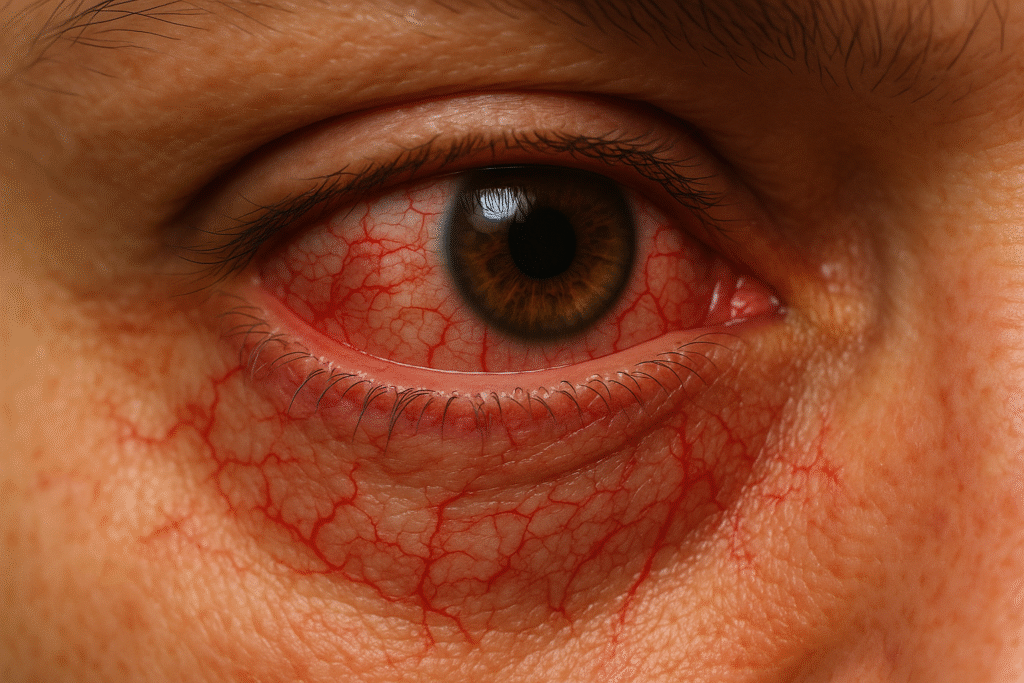
Why It Occurs:
Uremia and certain autoimmune conditions like lupus nephritis, which are associated with kidney issues, may inflame your eyes’ blood vessels. This may cause discomfort and red eyes.
What You Can Do:
- Steer clear of allergens and eye strain.
- Make use of cooling compresses.
- If the redness continues, consult a doctor.
5. Difficulty Seeing Colors.
What It Looks Like:
- The inability to distinguish yellows from blues is a common symptom.
- Diminished or washed-out vision.
- Modifications in how color is perceived
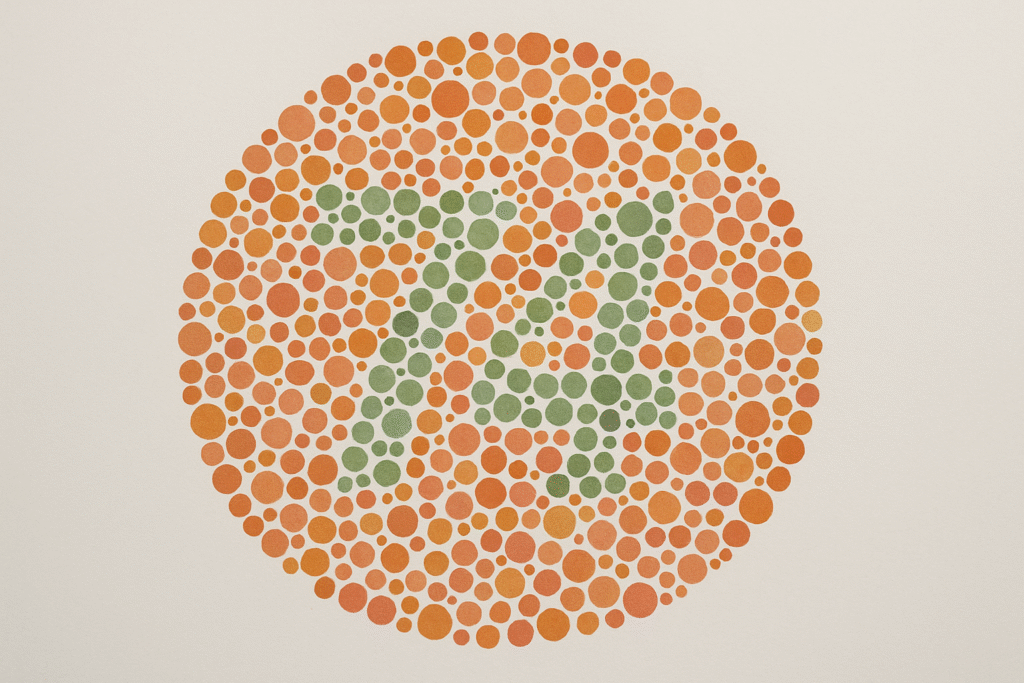
Why It Occurs:
Kidney disease may impact the optic nerve or retina, especially if it worsens over time. Color vision may change as a result, gradually but subtly.
What You Can Do:
- Obtain a thorough examination of your eyes.
- Monitor alterations in vision over time.
- Talk to your physician about neurological symptoms.
When Is It Time to Worry?
- Occasional eye issues are common, but if these symptoms persist for more than a few days, it is important to seek medical attention.
- They are accompanied by changes in urination, fatigue, or swelling.
- These symptoms may also be accompanied by diabetes or hypertension.
- It’s time to have your kidneys and eyes examined. Preventing irreversible damage requires early detection.
Lifestyle Advice to Promote Kidney and Eye Health.
Drink plenty of water to support tear production and aid in the removal of toxins.
Consume foods that are beneficial for your kidneys:
- High antioxidants, low sodium.
- Regular exercise improves blood pressure and circulation.
- Steer clear of alcohol and tobacco: they lower the risk of vascular damage.
- Get regular checkups, including kidney function tests and eye exams.
Final Thoughts.
Your eyes serve as messengers of your internal health in addition to being visual aids. Do not dismiss persistent puffiness, blurred vision, dryness, redness, or color changes. Your body may be expressing that your kidneys require care through these symptoms.
Changes in lifestyle and early detection can have a profound impact. Look more closely; your eyes may be telling you something significant.
You may also enjoy these reads:
- 10 Mindful Daily Habits to Ease Anxiety and Find Inner Calm
- Unlock Positive Brain Power & Eliminate Stress, Anxiety, and Negativity By Daily Meditation in 2025
- Why Moringa Is a Superfood 2025: Unlocking Nature’s Ultimate Risky Nutrient Powerhouse
- 5 Powerful Daily Push-Up Benefits That Crush Laziness in Just 5 Minutes
- Tulsi Benefits for Stress: 36% Cortisol Reduction Backed by Science
- Best Time to Eat Fruits for Maximum Nutritional Benefits: 4 Health Quizzes
✨ Boost Your Kidney Health With This Capsule ✨
A TATA Product—Organic India Liver Kidney Care—180 Veg Capsules, Helps Support Liver & Kidney Health, Boosts Overall Energy & Immunity, GMP & NPOP Certified Organic



Pingback: Why Moringa Is A Superfood 2025: Unlocking Nature’s Ultimate Risky Nutrient Powerhouse – Click Wellness Picks
Pingback: Unlock Positive Brain Power & Eliminate Stress, Anxiety, And Negativity By Daily Meditation In 2025 – Click Wellness Picks
Pingback: Avocado Benefits For Heart Health: 6 Powerful Benefits