

Table of Contents
Avocado Benefits for Heart Health
Consuming avocados is a delicious choice that helps your heart health. Instead of adopting the newest culinary trend, this versatile fruit has a creamy texture, a vibrant color, and a wealth of nutrients that directly impact cardiovascular health. Learn how each of the six powerful benefits of including avocados in your daily diet promotes heart health. Avocados have a subtle, earthy flavor.
1. Rich in Heart-Healthy Monounsaturated Fats
Avocados are renowned for their high content of MUFAs, mainly oleic acid. MUFAs decrease levels of undesirable LDL cholesterol, while they either do not affect or increase beneficial HDL cholesterol. With MUFAs, the balance shifts toward healthier lipid profiles. These reduce the accumulation of arterial plaque and promote smooth blood flow.
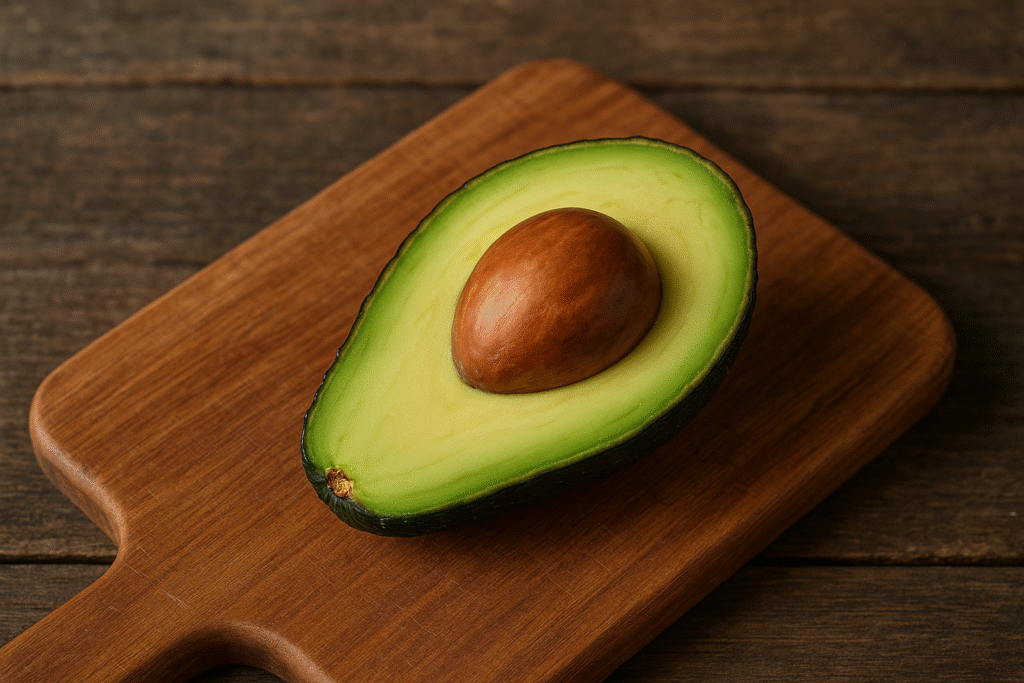
Adding avocados in place of spreads or dressings high in saturated fat can achieve measurable improvements in cholesterol levels within weeks. One study demonstrated that people who ate one avocado a day saw a significant reduction in LDL cholesterol, while their HDL cholesterol had a modest increase.
Swapping in avocado:
- Mash half of an avocado with a pinch of sea salt instead of placing butter on toast.
- Blend avocado into salad dressings to replace mayo or heavy oils.
- Add slices to sandwiches in lieu of processed cheese.
These simple swaps make a big difference. By embracing the creamy richness of avocados, you’re choosing a heart-friendly fat that tastes indulgent without the cardiovascular risk.
2. Potassium: A Powerhouse for Blood Pressure Control
Potassium helps balance blood pressure by offsetting the effects of sodium and loosening blood vessel walls. Among fruits and vegetables, avocados are high in potassium; one medium fruit provides 975 milligrams, or more than a banana.
Higher intake of potassium is strongly associated with lower blood pressure readings and reduced stroke incidence. For people with prehypertension or stage 1 hypertension, increasing dietary potassium can help bring numbers back into a safer range without the use of pharmaceuticals.

Ways to harness avocado’s potassium:
- Chop into breakfast burritos with eggs and spinach.
- Cube and toss into grain bowls with beans and leafy greens.
- Whip into a potassium-packed smoothie with berries and yogurt.
You are giving your kidneys the minerals they need to filter sodium out more efficiently and keep the arteries relaxed with a daily staple of avocados, which is essential for long-term heart health.
3. Fiber for Cholesterol & Gut Health
One avocado provides approximately 10-13 grams of dietary fiber, containing both soluble and insoluble types. Soluble fiber forms a gel in the intestinal tract that attaches to cholesterol and helps usher it out of your system. Insoluble fiber supports healthy digestion and encourages a healthy gut microbiome.
Many studies have shown that high-fiber diets are associated with a lower risk of cardiovascular disease. With particular emphasis on soluble fiber, an intake of 5–10 grams per day can decrease LDL cholesterol by as much as 10 percent.
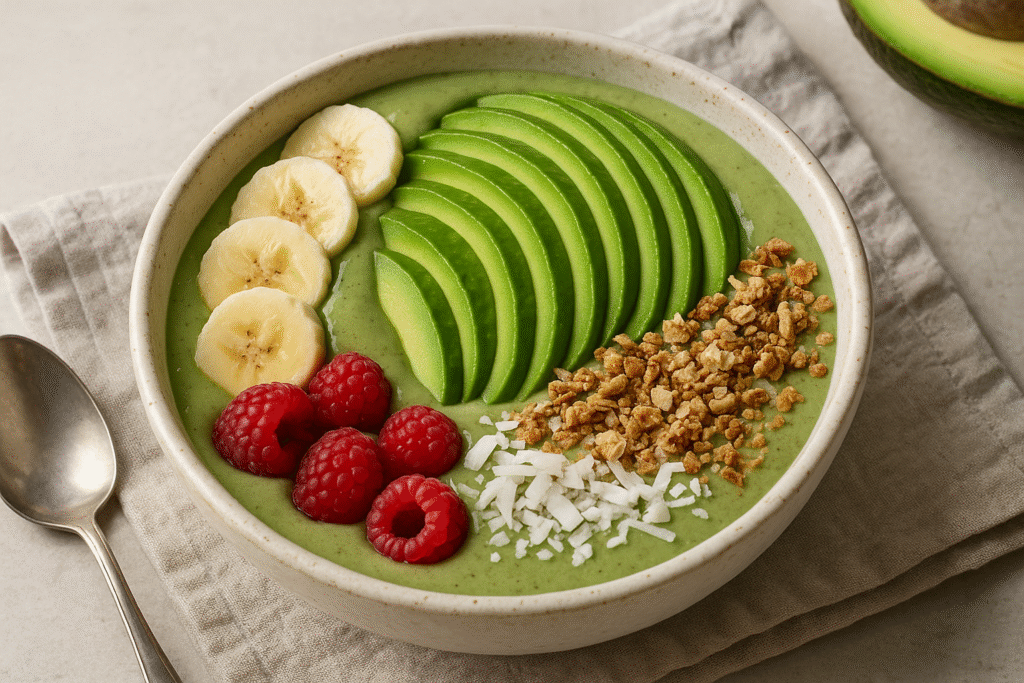
Creative ways to bump up fiber with avocado:
- Blend into a creamy oatmeal bowl instead of milk or cream.
- Spread on whole-grain toast and sprinkle with chia seeds.
- Use as a filling ingredient in vegetable-packed wraps.
Beyond cholesterol control, fiber slows the absorption of fats and sugars, helping to maintain stable blood sugar levels—a major player in the prevention of metabolic conditions that stress the heart.
4. Antioxidants to Counteract Inflammation
From atherosclerosis to heart attacks, chronic inflammation plays a significant role in many cardiovascular diseases. Avocados provide antioxidants such as lutein, zeaxanthin, and vitamin E, which neutralize the free radicals and reduce oxidative stress in blood vessels.
These antioxidants protect the fragile endothelial cells that line your arteries and inhibit inflammatory processes that would otherwise lead to plaque formation. Some studies even suggest that the polyphenols in avocado might effectively reduce inflammation with fewer negative side effects than some anti-inflammatory drugs.

Tips for maximizing antioxidant intake:
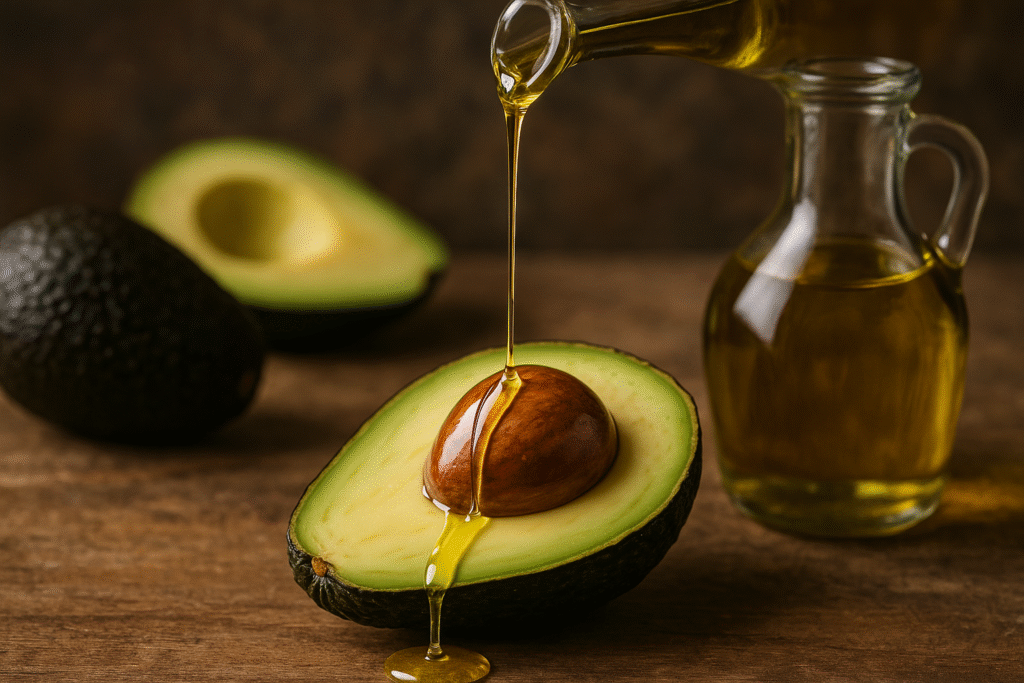
- Drizzle avocado oil over roasted vegetables to stabilize heat-sensitive compounds.
- Blend chunks into a smoothie with berries for a synergistic antioxidant boost.
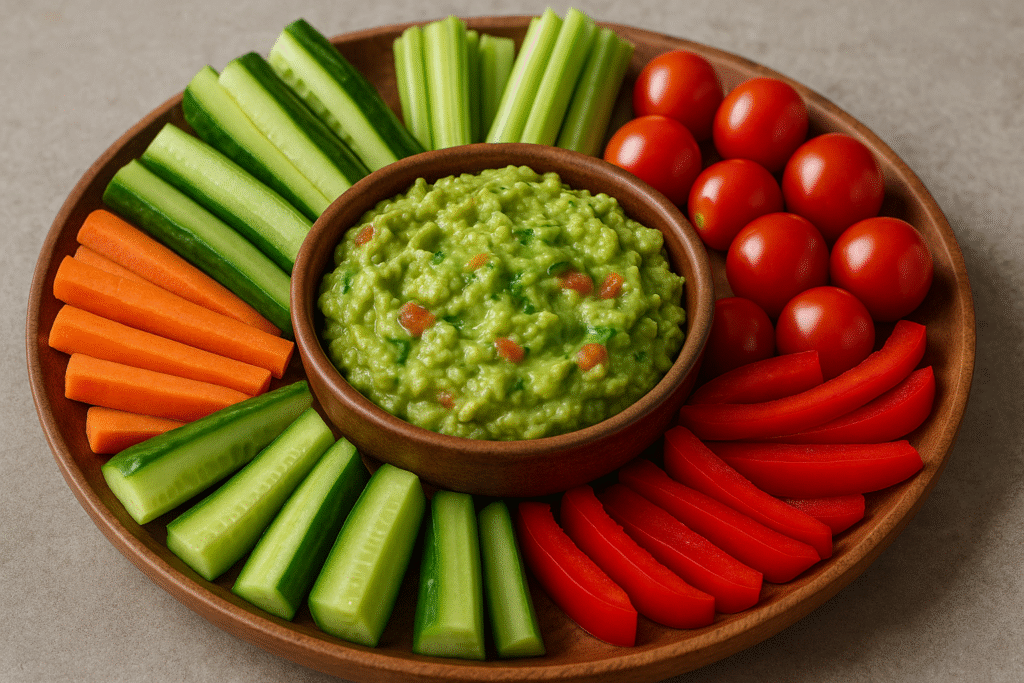
- Enjoy guacamole with colorful crudités to pair fresh polyphenols with healthy fats.
Consistent consumption of antioxidant-rich foods like avocados acts as insurance over decades: it delays the progression of arterial damage and protects your heart.
5. Natural Cholesterol Management
While MUFAs and fiber alone support cholesterol balance, avocados contain other bioactive compounds such as beta-sitosterol and phytosterols that have a structural similarity to cholesterol. These plant sterols reduce the amount of dietary cholesterol that enters your bloodstream by competing with the cholesterol for absorption in your intestines.
In one clinical trial, participants who consumed avocado daily saw a significant reduction not only in total cholesterol but also in non-HDL cholesterol, said to strongly predict cardiovascular events. The combined effect of healthy fats, fiber, and sterols makes avocado a triple threat in fighting against cholesterol buildup.
Practical strategies:
- Eat half an avocado with lean protein sources, such as grilled chicken or fish.
- Stir avocado puree into soups instead of cream.
- Add mashed avocado to homemade patties instead of cheese.
The addition of avocado enhances this effect and creates a very heart-protective synergy often unachievable with pharmaceutical interventions.
6. Nutrient Synergy and Overall Cardiovascular Support
Beyond individual benefits, the avocado has a balanced combination of nutrients—magnesium, folate, and vitamins C and K—all together contributing to vascular function, maintenance of proper blood coagulation, and cellular restoration. Such a combination provides comprehensive care for the heart from every angle.
Folate, for example, serves to keep homocysteine levels low, thereby reducing the risk of arterial damage. Magnesium relaxes smooth muscle in vessel walls, further promoting healthy blood pressure. Vitamin K supports proper calcium utilization, preventing unwanted arterial calcification.
Integrative ideas for daily avocado enjoyment:
- Make a Mediterranean-style salad with olives, tomatoes, feta, and a big slice of avocado.
- Use avocado halves as edible bowls for grain or bean salads.
- Blend into creamy, nutrient-dense dressings for green vegetables.
By weaving avocados into every meal, you harness the full spectrum of cardiovascular benefits, making the diet an active partner in lifelong heart health.
Conclusion
Avocados are so much more than a trendy toast topper. By virtue of their unique combination of heart-healthy fats, potassium, fiber, antioxidants, and plant sterols, they positively affect several pathways that contribute to cardiovascular risk. The nutrient synergy found in this single fruit supports cholesterol management, blood pressure control, reduction of inflammation, and overall vascular integrity. Adding half of a whole avocado per day is an easy, delicious, and natural approach to supporting the fortitude of your heart. Mashed, sliced, blended, or in oil form, avocados can easily take the place of less healthy options while adding flavor and targeted nutrition to your meals.
Make avocados a daily habit, and your heart will thank you for it now and always.
You may also enjoy these reads:
- Ayurvedic Way to Lower Cholesterol Naturally – 6 Proven Tips
- Neuroscientists Reveal 5 Habits That Weaken Brain Health
- Boost Thyroid Health Naturally: 10+ Effective Home Remedies
- 5 Alarming Eye Signs of Kidney Problems: Early Kidney Disease Symptoms You Shouldn’t Ignore
- Heart-Healthy Foods List and FAQs
- Beste Avocado Abonnement | Review (2025) |
- 12 of the Best Foods for Your Heart Health


Pingback: 5 Papaya Side Effects: Powerful Papaya Overdose Symptoms
Pingback: 6 Foods To Avoid With Papaya: Smart Combos & Diet Mistakes