

Table of Contents
6 Ayurvedic Cholesterol Remedies to Lower Cholesterol Naturally
Introduction: Lower Cholesterol Naturally
High cholesterol is a silent threat that has affected millions around the world and increased the vulnerability to heart disease, stroke, and other cardiovascular complications. However, while modern medicine prescribes statins and many other drugs, the ancient healing system of India presents a holistic and natural way of preventing an increase in cholesterol levels. These therapies reduce cholesterol while also improving digestion, metabolism, and overall health.
This blog will examine six traditional Ayurvedic home remedies that have received validation from recent scientific studies. Each remedy, simple to incorporate into your daily routine, holds the potential to assist you in your quest for enhanced heart health.
Understanding Cholesterol in Ayurveda
Ayurveda does not refer to the concept of cholesterol as understood in modern medicine; instead, it talks about “Medo Dhatu,” the fat tissue, and its balance within the body. Excessive accumulation of Kapha is considered a Kapha imbalance, which is usually exacerbated by an inappropriate diet, a sedentary lifestyle, and poor digestion, also known as Agni.
The aim of Ayurvedic treatment is to:
- Improve the digestive fire (Agni).
- Detoxify the liver and blood.
- Balance the Kapha dosha.
- Improve fat metabolism.
1. Guggul (Mukul Commiphora)
How It Works:
Guggul is a resin that is taken from the myrrh tree in Mukul. It is one of the most effective Ayurvedic treatments for cholesterol problems.
The advantages:
- Decreases LDL (bad cholesterol) and triglycerides,
- Raises good cholesterol, or HDL.
- It also aids in the thyroid and metabolic processes.
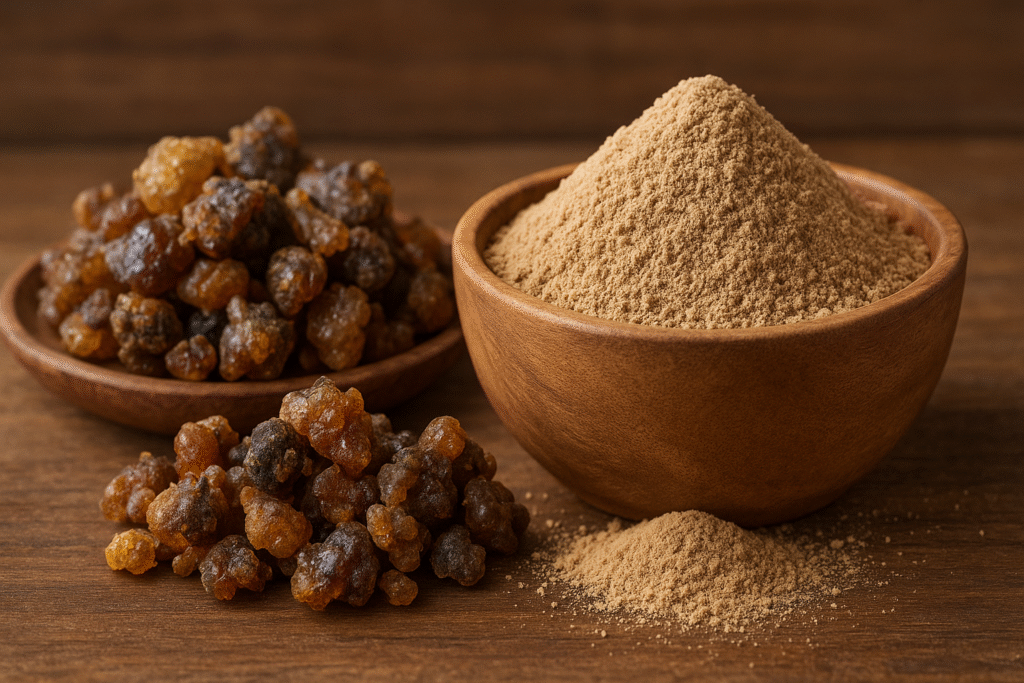
Support from Science:
The active components of guggul, guggulsterones, were found to significantly lower triglyceride and total cholesterol levels in hyperlipidemic patients in a study published in the Journal of Ayurveda and Integrative Medicine.
Application instructions:
- Guggul extract should be taken twice daily after meals at a dose of 500 mg.
- Triphala enhances detoxification when combined with it.
Note: Consult an Ayurvedic practitioner before starting, especially if you are taking medication.
2. Garlic (Lashuna)
What It Is:
Among the common kitchen ingredients, garlic has powerful medicinal properties in Ayurveda.
Benefits:
- Lowers LDL cholesterol and blood pressure.
- Prevents plaque buildup in the arteries.
- It functions as a natural blood thinner.

Scientific Basis:
A meta-analysis in Nutrition Reviews confirmed that garlic supplementation can lower total cholesterol by up to 15 mg/dL.
Using instructions:
- One or two raw garlic cloves should be crushed in the morning and consumed with warm water.
- Mix with honey for a better taste and more health benefits.
Advice: When garlic is cooked at high temperatures, some of its medicinal properties are lost.
3. Triphala:
The way it works:
Triphala, an Ayurvedic detoxifier and digestive aid, is made from three fruits: amalaki, bibhitaki, and haritaki.
Advantages:
- Enhances the breakdown and metabolism of fat.
- It also aids in the reduction of oxidative stress.
- This supplement aids in the proper functioning of the liver.
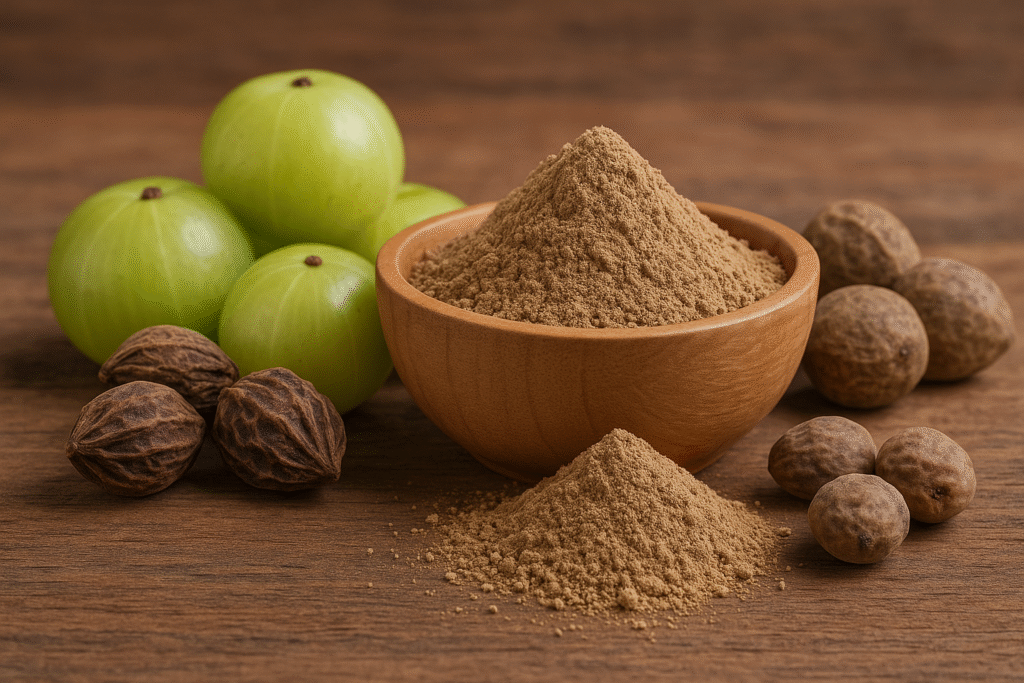
Scientific Support:
Triphala dramatically decreased serum cholesterol and enhanced antioxidant status in animal models, according to research published in Phytotherapy Research.
Instructions for use:
- Before going to bed, mix one teaspoon of triphala powder with some warm water.
- For optimal effects, use continuously for four to six weeks.
Bonus: Triphala also relieves constipation and helps with weight loss.
4. Turmeric (Haridra)
How It Works:
In Ayurveda, turmeric is regarded as a golden spice because of its detoxifying and anti-inflammatory qualities.
Advantages:
- Lowers triglycerides and LDL cholesterol,
- Stops the development of arterial plaque.
- Promotes detoxification of the liver.
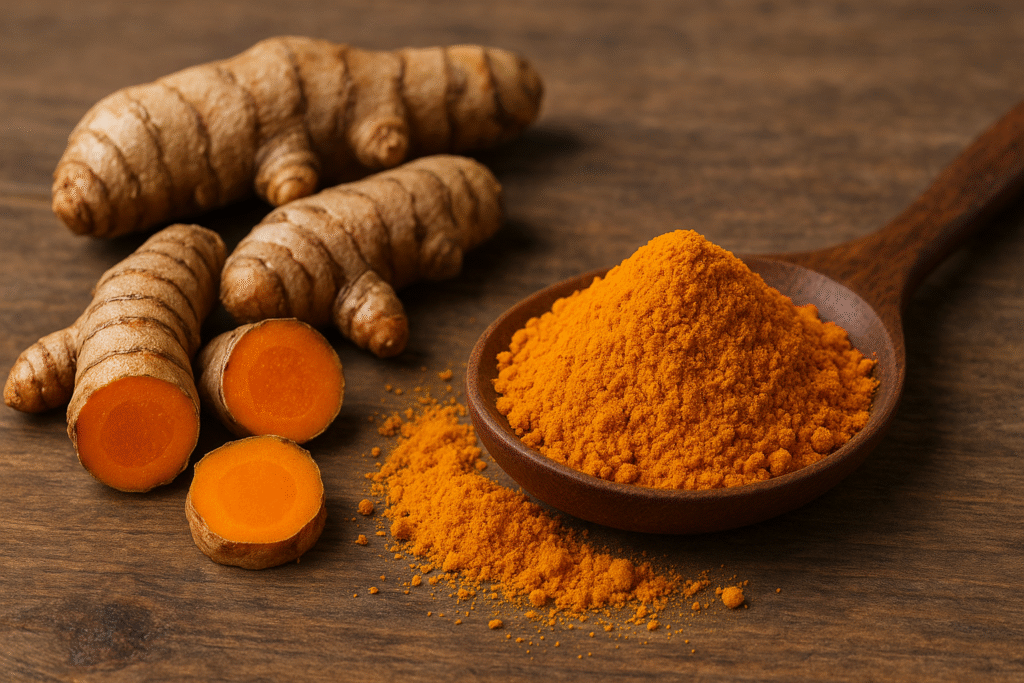
Scientific Foundation:
Numerous studies have demonstrated that curcumin improves endothelial function and lowers cholesterol. That is what gives turmeric its active properties.
Instructions for use:
- Combine warm milk or water with half a teaspoon of turmeric powder.
- Incorporate black pepper to improve absorption.
Advice: Golden milk, also known as turmeric latte, is a tasty and excellent way to administer this remedy.
5. Fenugreek (Methi)
Mushrooms: What They Are
Indian kitchens frequently use fenugreek seeds, which are also a potent Ayurvedic remedy for metabolic problems.
Advantages:
- Benefits include a reduction in blood sugar and cholesterol levels.
- It also enhances the production of bile and aids in digestion.
- Plenty of soluble fiber.
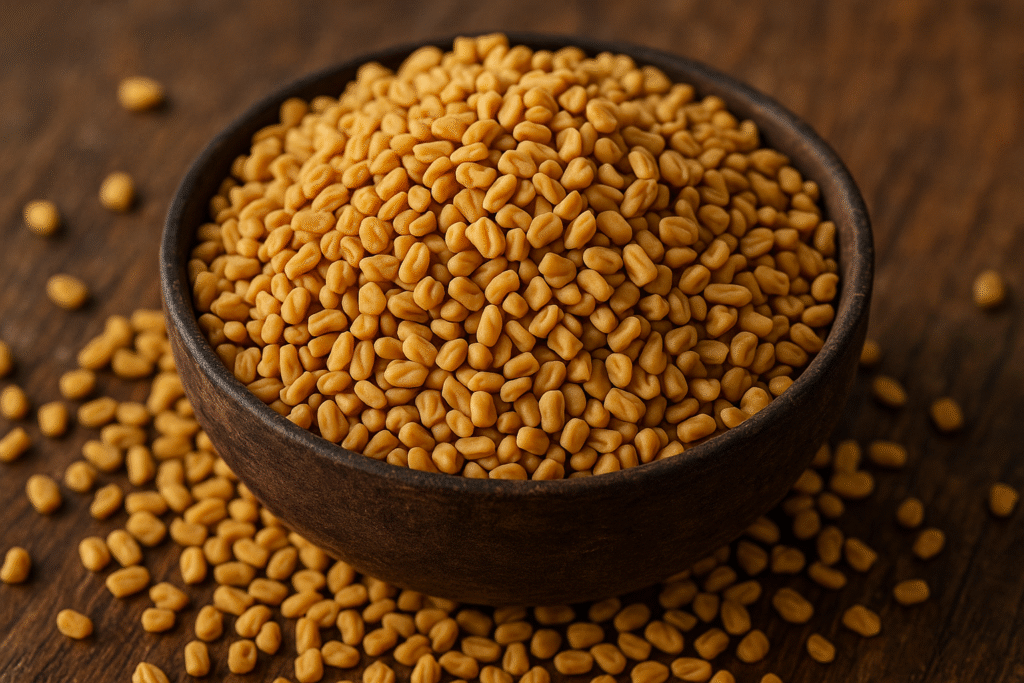
Scientific Support:
In fact, fenugreek seed powder dramatically reduced LDL and total cholesterol levels in diabetic patients, according to a study published in the Indian Journal of Pharmacology.
Instructions for use:
- Take one teaspoon of fenugreek seeds in the morning after soaking them overnight.
- Fenugreek powder can also be used with tea or in curries.
Caution: Take small doses, as they may initially cause mild bloating.
6. Arjuna (Terminalia arjuna)
How It Works:
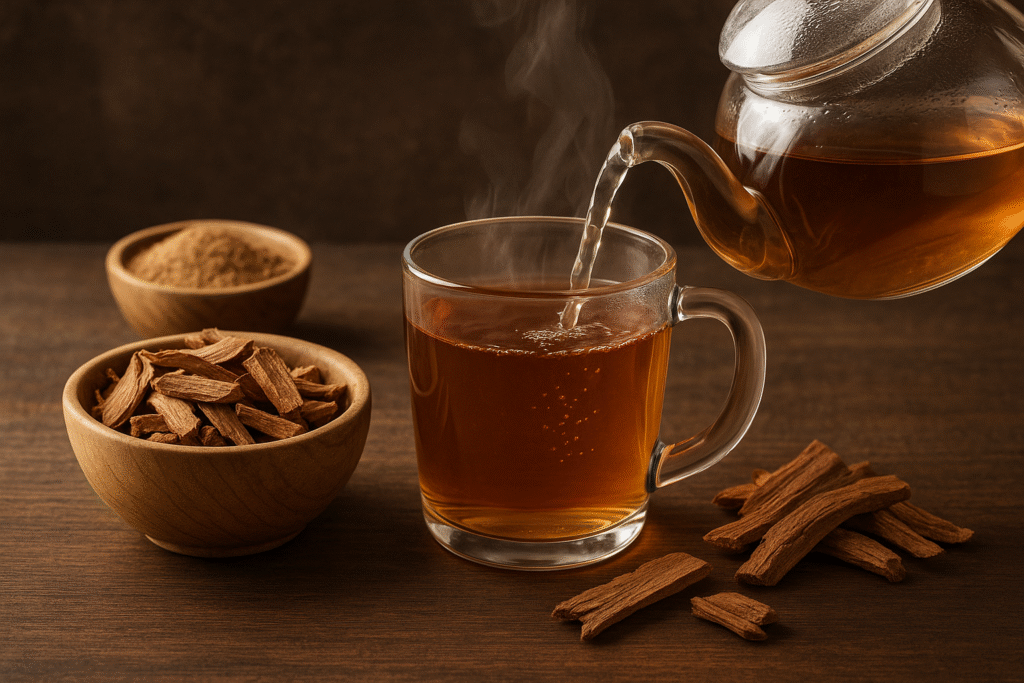
Ayurveda uses the cardiotonic herb arjuna bark to strengthen the heart and enhance circulation.
Advantages
- Improved HDL and lower LDL cholesterol.
- Increases the efficiency of the heart.
- Functions as an antioxidant in nature.
Scientific Foundation:
Arjuna extract has been shown in clinical trials to lower total cholesterol and increase heart rate variability in patients with coronary artery disease.
Instructions for use:
- One teaspoon of powdered Arjuna bark should be boiled in water to make tea.
- For noticeable results, use consistently for six to eight weeks.
Note: If you already have a heart condition, it is best to take this medication under supervision.
Dietary Guidelines to Support Reduction of Cholesterol
Ayurveda focuses on “Sattvic” foods: pure, light, and nourishing. Here’s what to include:
- Whole grains: include brown rice, barley, and oats.
- Legumes: moong dal, lentils.
- Vegetables: bitter gourd, spinach, carrots.
- Healthy fats: ghee (in moderation), sesame oil.
- Herbal teas: cumin, coriander, and fennel.
Avoid:
- Fried and processed foods.
- Excess dairy products and red meat.
- Refined sugar and flour.
- Cold and heavy meals.
How to Lower Cholesterol: Lifestyle Tips
1. Daily Workout
- Brisk walking, yoga, or swimming for 30 minutes.
- Surya Namaskar holds special significance for metabolism.
2. Management of stress.
- Practice pranayama and meditation regularly.
- Lowering cortisol levels can help cause an imbalance in cholesterol levels.
3. Hygiene of Sleep
- Aim for 7–8 hours of good sleep each night.
- Avoid late food intake and screen exposure.
Tips and cautions:
- Before starting herbal supplements, always speak with a healthcare professional.
- Continue to check your cholesterol levels.
- Ayurvedic treatments are very effective when combined with modified lifestyles.
Conclusion:
Ayurveda provides a mild yet effective method for controlling cholesterol. Together, these six home remedies—Guggul, Garlic, Triphala, Turmeric, Fenugreek, and Arjuna—cleanse the body, balance the doshas, and strengthen the heart. With regular application and conscious living, you can naturally and effectively lower your cholesterol levels.
You may also enjoy these reads:
- 5 Best Morning Fruits to Eat on an Empty Stomach for Maximum Health Benefits
- Top 3 Vegetables for Liver Health: Gastroenterologist Shares Expert Liver Tips
- Why Moringa Is a Superfood 2025: Unlocking Nature’s Ultimate Risky Nutrient Powerhouse
- Neuroscientists Reveal 5 Habits That Weaken Brain Health
- Controlling Cholesterol | RxWiki
- 9 foods low in cholesterol for improved cardiovascular health
- Cholesterol Study Shows That Statin Drugs Are Totally Worthless


Pingback: Unlock Positive Brain Power & Eliminate Stress, Anxiety, And Negativity By Daily Meditation In 2025 – Click Wellness Picks
Pingback: Why Moringa Is A Superfood 2025: Unlocking Nature’s Ultimate Risky Nutrient Powerhouse – Click Wellness Picks
Pingback: Transform Your Body Fast With The Smoothie Diet: A 21-Day Weight Loss Breakthrough! – Click Wellness Picks
Pingback: 8 Powerful Reasons To Eat Pumpkin Seeds For Better Health