

Table of Contents
Purple Food Benefits for Vibrant Well-Being: Immune-boosting purple food
One of the easiest methods to improve your health is to eat a wide range of fruits and vegetables. Purple foods, in particular, stand out because they are quite dark and have health-promoting chemicals called anthocyanins. These natural colors not only make fruits and vegetables look bright, but they also provide health benefits like fighting inflammation, protecting the heart, and acting as an antioxidant. We’ll show you eight purple superstars in this complete guide, including both fruits and vegetables. We’ll explain what makes them distinctive in terms of nutrition and provide you useful advice on how to add them to your meals every day.
1. Blueberries: Little Antioxidant Powerhouses
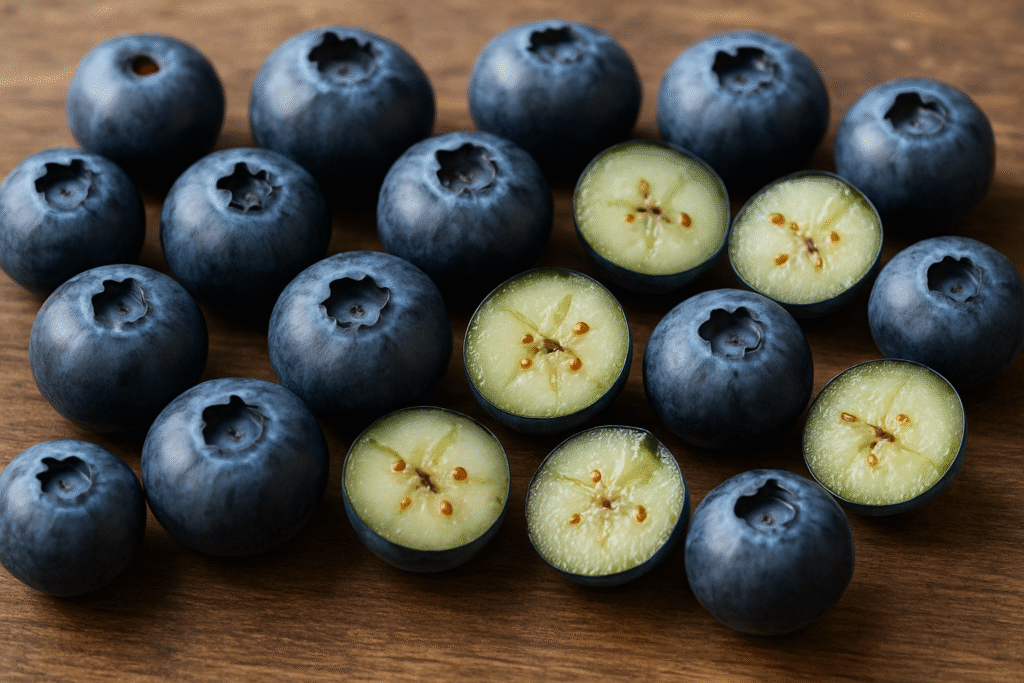
Blueberries may look fragile, but they are full of minerals that fight disease.
Amount of anthocyanin
- Blueberries have some of the greatest levels of anthocyanins of any berry, which is why they are such a rich blue-purple color.
- These flavonoid molecules get rid of free radicals and keep cells safe from oxidative harm.
Important health benefits
- Cognitive support: Research shows that eating blueberries on a daily basis can help your memory and slow down the natural loss in brain function that comes with aging.
- Heart health: Anthocyanins help relax blood arteries, lower blood pressure, and stop LDL cholesterol from oxidizing.
- Anti-inflammatory effects: Blueberries have bioactive molecules that help reduce chronic inflammation, which is a major cause of many diseases.
Ideas for serving
- You can add fresh or frozen blueberries to oatmeal, yogurt, or cottage cheese.
- Blend with banana, spinach, and nut milk to make smoothies that are good for you.
- Add to whole-grain muffins or pancakes to make them naturally sweet and colorful.
2. Blackberries: Due to their high fiber content, they are beneficial for your digestive system.
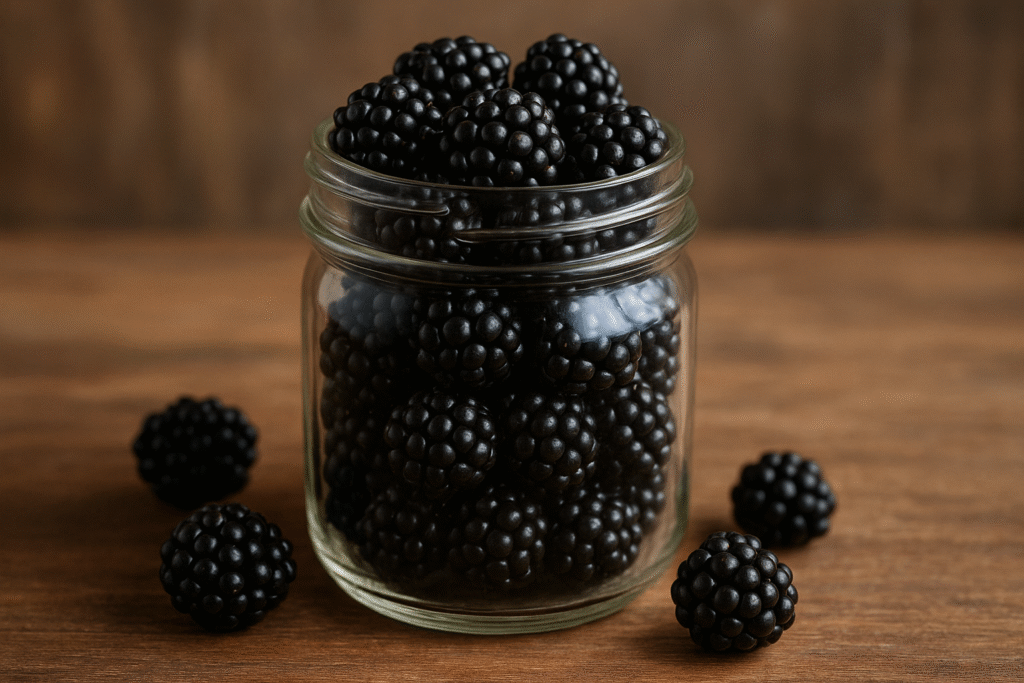
Blackberries taste excellent and are high in fiber.
Highlights of nutrients
- Fiber About 8 grams of fiber, found in one cup of blackberries, aid in digestion and stabilize blood sugar levels.
- Vitamin C produces collagen, which is beneficial for skin health, and supports the immune system.
- The development of bones and the activity of antioxidant enzymes depend on the mineral manganese.
Purple Food Benefits: Health benefits
- Fiber is a type of prebiotic that keeps the gut moving and feeds beneficial bacteria.
- Maintain a balanced metabolism: Together, fiber and polyphenols prevent blood sugar levels from rising too rapidly.
- Health of the skin: Anthocyanins and vitamin C combat oxidative stress, which hastens the aging process.
Simple ways to have fun
- Add blackberries to green salads with goat cheese and walnuts.
- Cook down into a fruit compote that you can put on pancakes or ice cream.
- Freeze into homemade ice pops prepared with coconut water.
3. Purple grapes: polyphenols that protect the heart
Concord and black grapes are good for your heart, not just sweet.
Purple Food Benefits: Important parts
- Resveratrol: A polyphenol that is connected to living longer and looking younger.
- Anthocyanins: Help keep blood vessels healthy and lower the danger of blood clots.
- Quercetin: Has benefits that reduce inflammation and histamine levels.

Good for your heart
- Better circulation: Resveratrol helps make nitric oxide, which relaxes the walls of arteries.
- Cholesterol management: Grape polyphenols stop LDL from oxidizing, which is an important stage in the creation of plaque.
- Antiplatelet activity: These substances lower the chance of too much blood clotting.
Tasty ideas
- Eat a few grapes, either frozen or fresh.
- Make a spritzer by juicing grapes at home and mixing the juice with sparkling water.
- For a balanced sweetness, serve with firm cheeses and nuts on a charcuterie board.
4. Eggplant: a flexible source of nasunin
Eggplant is probably best recognized as the main ingredient in ratatouille, yet its purple skin hides important nutrients.
Nutrient profile
- Nasunin: An anthocyanin prevents free radicals from damaging brain lipids.
- Fiber: Helps the bowels move and makes you feel full.
- Folate and potassium are important for cell division and keeping blood pressure stable.

Brain and more
- Neuroprotection: Nasunin crosses the blood-brain barrier to protect the membranes of neuronal cells.
- Comfort in the digestive system: Fiber helps keep the microbiome in balance and stops constipation.
- Moderation of blood sugar: Fiber slows down the absorption of carbohydrates, which helps prevent spikes in blood sugar levels.
Tips for cooking
- Brush sliced eggplant with olive oil, garlic, and herbs, then grill it.
- Roast cubes to use in hearty pasta sauces or grain bowls.
- Add tahini, lemon, and cumin to creamy baba ganoush and mix.
5. Purple sweet potatoes are high in vitamin A and complex carbohydrates.
Not only do purple sweet potatoes look wonderful, but they are also excellent for you.
What’s in there
- Complex carbs provide you constant energy and help your body store glycogen.
- Beta-carotene is turned into vitamin A in the body, which is important for vision and the immune system.
- Anthocyanins: Give you more antioxidant protection than beta-carotene.

Purple Food Benefits: Health benefits
- Vitamin A and carotenoids protect your eyes from age-related macular degeneration.
- Balance of energy: Complex carbs provide you fuel that lasts longer than simple starches.
- Anti-inflammatory effect: Anthocyanins lower markers of inflammation after working out.
Ideas for serving
- Bake full purple sweet potatoes and then add Greek yogurt, chives, and paprika over top.
- For a healthy side dish, mash with a little coconut milk and cinnamon.
- Cut into noodles and lightly fry with garlic and pea shoots.
6. Purple Carrots: Old Heirlooms Reimagined
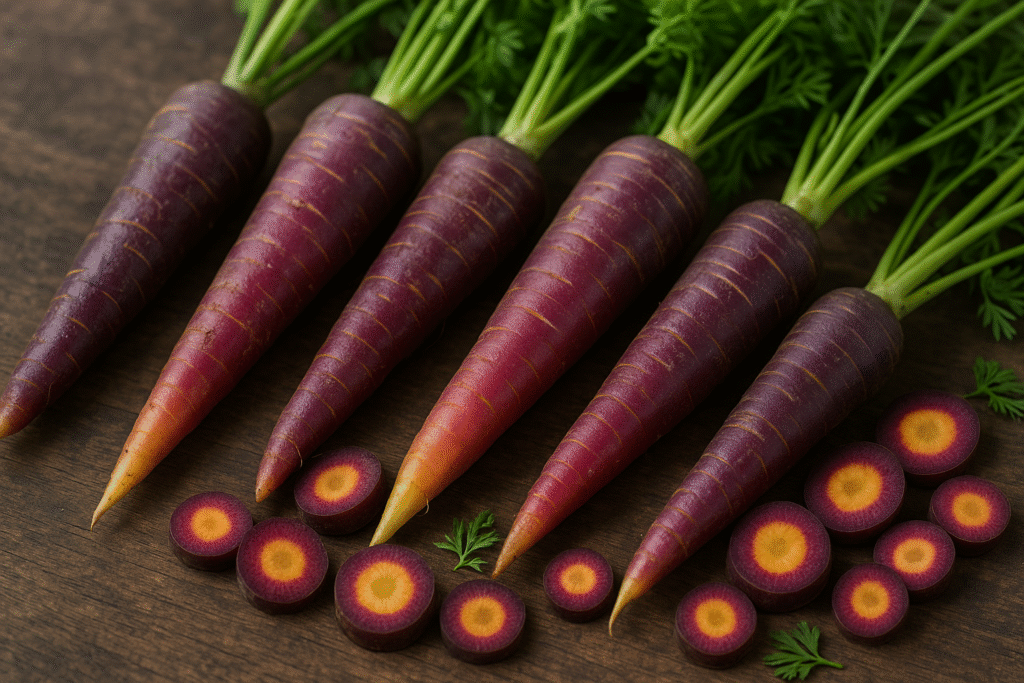
Purple carrots are older than modern orange carrots and have their own special phytonutrients.
A brief overview of nutrition
- Purple skins are primarily composed of anthocyanins, which are beneficial for the brain and heart.
- The core contains carotenoids such as beta-carotene and lutein.
- Fiber and vitamin K help bones stay healthy and blood coagulate.
Purple Food Benefits: Specific benefits
- Anthocyanins protect the heart by making the endothelium work better and making the arteries less rigid.
- Lutein builds up in the macula, which protects the eyes by blocking blue light.
- Vitamin K helps calcium stick to the bone matrix, which makes bones stronger.
Creative ways to use
- Add raw purple carrots to salads for color and crunch.
- For a sweet-savory side, roast with honey, thyme, and sea salt.
- Drink juice made with apple, ginger, and lemon for a healthy drink.
7. Purple Cauliflower: A Cruciferous Vegetable That Helps Fight Cancer
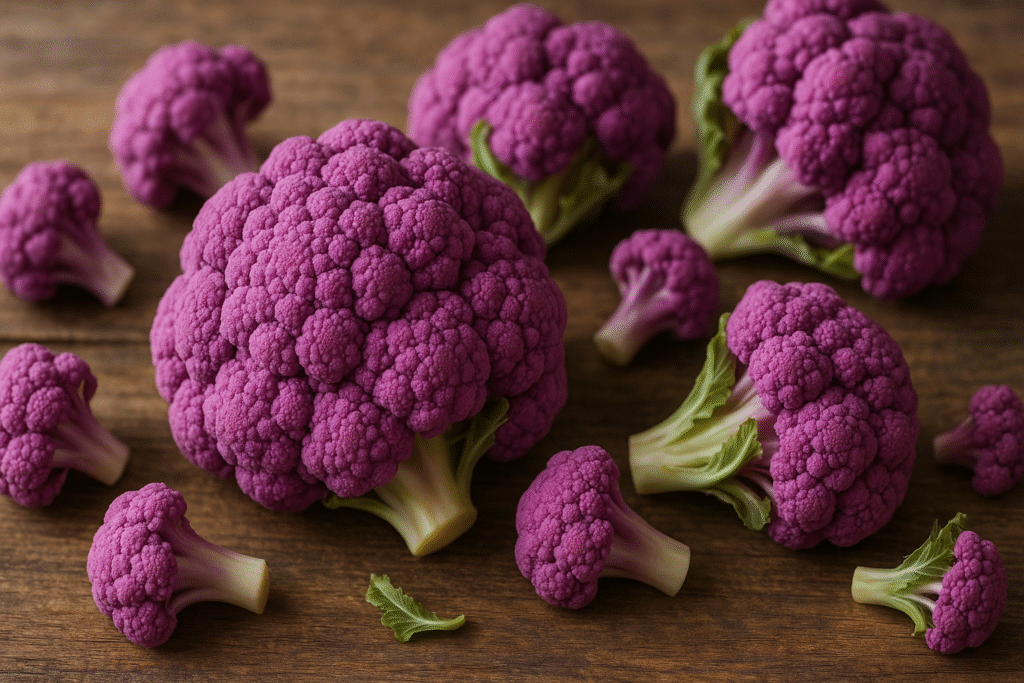
In the grocery store and in your body’s defenses, purple cauliflower stands out.
Very strong chemicals
- Sulforaphane is a molecule that contains sulfur and has been shown to kickstart detoxification processes.
- Anthocyanins: These are good for your health in addition to the benefits of cruciferous vegetables.
- Fiber and vitamin C together can help your immune system and keep your digestion in check.
Possibility of halting cancer
- Sulforaphane activates enzymes that help the body get rid of things that cause cancer.
- Antioxidants help detox processes protect DNA from damage.
- Fiber helps create a gut environment that lowers the risk of colorectal cancer.
Ideas for cooking
- To keep sulforaphane, steam it softly and garnish it with lemon vinaigrette.
- Mix with ginger and coconut milk to make colorful soups.
- If you want to use cauliflower rice instead of rice in stir-fries, pulse it in a food processor.
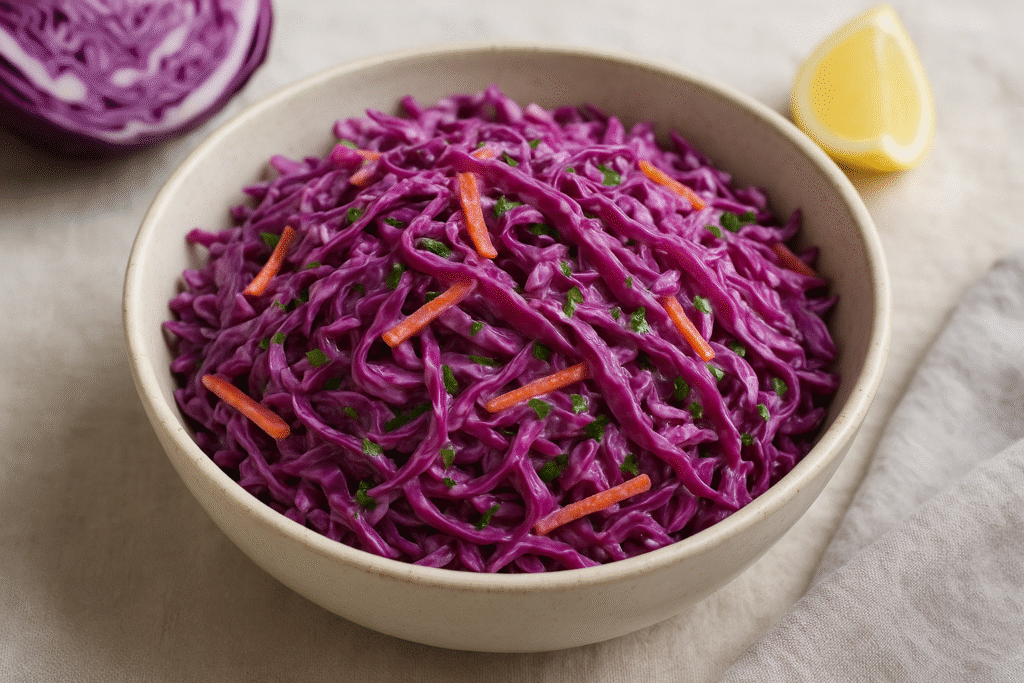
8. Crunchy Purple Cabbage Is Good for Your Heart.
Red cabbage, also called purple cabbage, is a crunchy food that is beneficial for you.
Purple Food Benefits Important nutrients
- Your bones will be strong and your immune system will be healthy if you get enough vitamin C and K.
- Fiber and glucosinolates work together to help the body digest food and get rid of toxins.
- Anthocyanins: Make green cabbage more powerful as an antioxidant.
Quick look at the benefits
- How fiber helps lower cholesterol: Fiber sticks to bile acids, which helps lower cholesterol levels in the blood.
- Detoxification: Glucosinolates help liver enzymes break down toxins.
- Gut health: Fiber and phytonutrients help keep the gut barrier strong and the bacteria in check.
Ideas for serving
- Shred raw for a zesty coleslaw with apple cider vinegar and olive oil on top.
- For a warm side dish, sauté with onions and caraway seeds.
- Make sauerkraut that is full of probiotics to help your intestinal health.
In conclusion, purple food benefits
Adding purple foods to your diet is a simple yet powerful method to use nature’s medication. Each of these eight superfoods has its health benefits. Berries, for instance, are high in antioxidants and protect against oxidative damage. Cruciferous vegetables, on the other hand, help with cleansing and cancer prevention. Change up the berries, roots, and brassicas you eat for breakfast, lunch, and dinner to make your meals more interesting. These purple powerhouses will improve your plate look and help your health by protecting your heart, lowering inflammation, and keeping your body safe.


Pingback: 5 Papaya Side Effects: Powerful Papaya Overdose Symptoms
Pingback: 6 Foods To Avoid With Papaya: Smart Combos & Diet Mistakes