

Table of Contents
Why is it considered a superfood? Explore the Top Nutrient Power
Consider a plant that has been quietly gaining popularity in the wellness world. In that case, it’s Moringa Oleifera—affectionately called the miracle tree or drumstick tree. Native to the foothills of the Himalayas and now cultivated across tropical and subtropical regions, Moringa has been an integral part of traditional medicine for centuries. But recently, science has caught up with tradition, confirming what many cultures have known all along: this leafy green is a nutritional powerhouse.
Let’s dive into why moringa has earned its superfood status, the nutrients that make it shine, and how you can bring its benefits into your daily life.
1. A Nutrient Profile That Outshines Many Foods
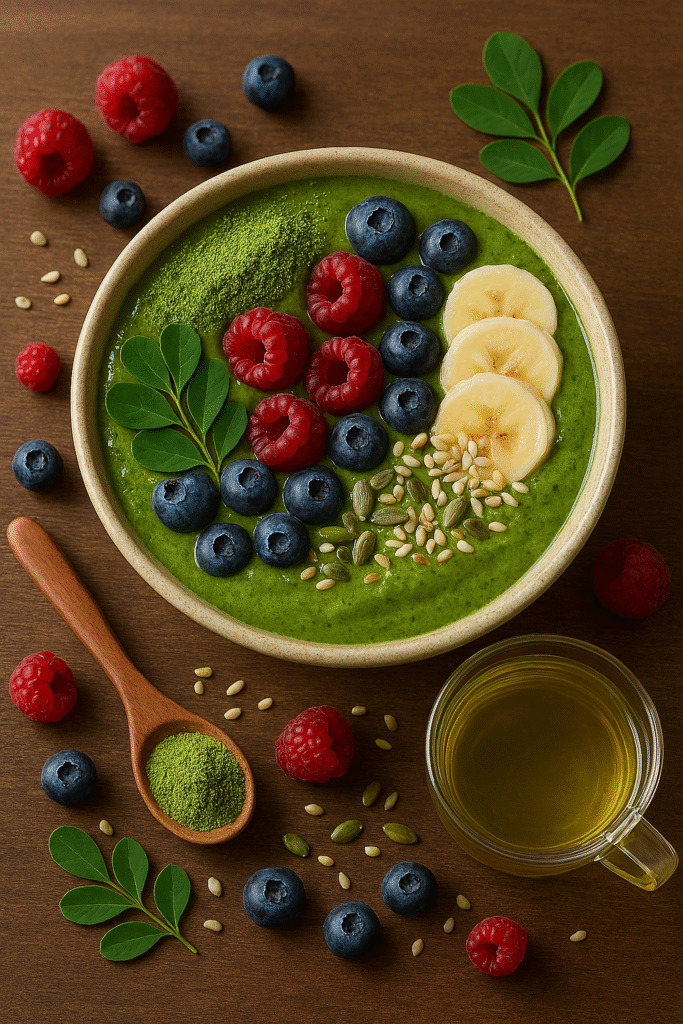
Gram for gram, moringa leaves pack more vitamin C than oranges, more calcium than milk, and more potassium than bananas. They’re also rich in:
- Vitamin A—Supports vision, skin health, and immunity.
- Vitamin E—A potent antioxidant that protects cells from damage.
- Iron—Essential for healthy blood and energy levels.
- Magnesium—Supports muscle and nerve function.
- Protein—Contains all nine essential amino acids, which is rare for a plant source.
This dense nutrient profile means even small amounts can make a big difference in meeting daily nutritional needs.
2. Antioxidant Power for Cellular Protection
It is loaded with antioxidants like quercetin and chlorogenic acid, which help neutralize free radicals and reduce oxidative stress. This is important because oxidative stress is linked to chronic diseases, premature aging, and inflammation.
3. Heart Health Ally
Studies suggest it may help lower cholesterol and reduce inflammation, both of which support cardiovascular health. Its potassium content also helps regulate blood pressure, making it a friend to your heart.

4. Immune System Booster
Thanks to its high vitamin C and antioxidant levels, it helps strengthen the immune system, enabling the body to fight infections and recover more quickly from illnesses.
5. Digestive Support
Its fiber content aids digestion, prevents constipation, and supports a healthy gut microbiome. Its natural antibacterial properties may also help keep harmful gut bacteria under observation.
6. Blood Sugar Regulation
Early research suggests that moringa may help stabilize blood sugar levels, making it a promising supplement for individuals managing diabetes or pre-diabetes.
7. Skin and Hair Benefits of Moringa
The vitamins, minerals, and antioxidants in it nourish skin from the inside out, promoting a healthy glow. Its anti‑inflammatory properties can also help with acne and other skin irritations.
8. Easy to Add to Your Diet
One of Moringa’s biggest strengths is its versatility. You can enjoy it as
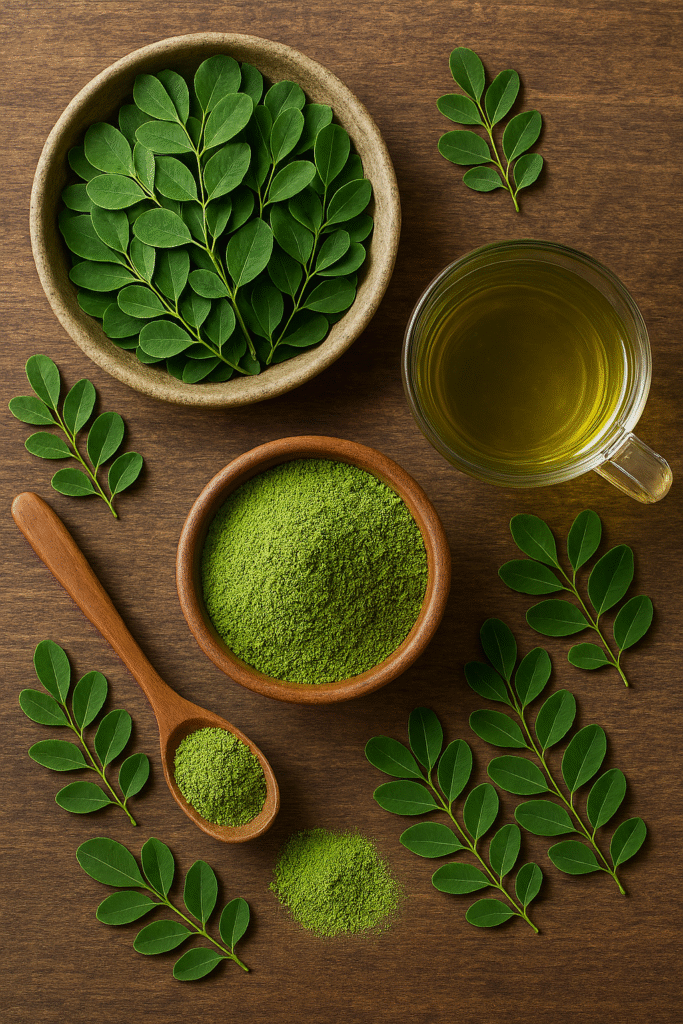
- Fresh leaves—toss into salads or soups.
- Powder—Blend into smoothies, sprinkle over oatmeal, or stir into yogurt.
- Tea—Brew dried leaves for a nutrient‑rich drink.
- Capsules—For a quick, no‑prep option.
A Quick Historical Note
It has been used in Ayurvedic medicine for over 4,000 years to treat more than 300 conditions. Its modern resurgence is a beautiful example of ancient wisdom meeting contemporary science.
Tips for Buying and Storing Moringa
- Choose organic moringa powder to avoid pesticide residues.
- Store in an airtight container away from light to preserve nutrients.
- If buying fresh leaves, use them within a few days for maximum potency.
A Word of Caution
While it is generally safe, pregnant or breastfeeding women should consult a healthcare provider before adding it to their diet. Furthermore, start with small amounts to see how your body responds.
- FAQ About it as a Superfood
- 1: Why is moringa called a superfood?
- A: Because it’s rich in vitamins, minerals, antioxidants, and plant-based protein.
- 2: Is moringa better than spirulina or wheatgrass?
- A: Moringa offers a wider range of nutrients and is easier to digest.
- 3: Can I use moringa daily?
- A: Yes! 1–2 teaspoons daily is ideal.
- 4: Is Desherb Moringa organic?
- A: Yes, it’s naturally grown without harmful chemicals.
- 5: Is it safe for kids and elders?
- A: Absolutely, just adjust the dosage (start small).
- 6: Does it help with anemia?
- A: Yes, it’s rich in bioavailable iron.
- 7: Can I cook with it?
- A: Yes, but add it at the end of cooking to preserve nutrients.
- 8: What does it taste like?
- A: Earthy and mild—blends well with both savory and sweet foods.
- 9: Where can I buy it?
- A: Order online at Carbamide Forte 100% Moringa Powder Organic – USDA Certified | Moringa Leaves Powder Organic for Immunity, Digestion & Energy | 100g
- Our Social Presence:
- Facebook—https://www.facebook.com/share/19cZQmsLHv/
Final Thoughts
Moringa isn’t just another wellness trend—it’s a time‑tested, nutrient‑dense plant that can support your health in multiple ways. Whether you’re looking to boost your immunity, improve digestion, or simply add more vitamins and minerals to your diet, moringa is a worthy addition to your pantry.
Dive into the world of Ayurvedic remedies, holistic health, and time-tested herbal knowledge.
👉 Discover Our Ayurvedic Wellness Articles
You may also enjoy these reads:
- Ayurvedic Way to Lower Cholesterol Naturally – 6 Proven Tips
- Neuroscientists Reveal 5 Habits That Weaken Brain Health
- Boost Thyroid Health Naturally: 10+ Effective Home Remedies
- 5 Alarming Eye Signs of Kidney Problems: Early Kidney Disease Symptoms You Shouldn’t Ignore
- Heart-Healthy Foods List and FAQs
- Beste Avocado Abonnement | Review (2025) |
- 12 of the Best Foods for Your Heart Health



Pingback: Neuroscientists Reveal 5 Habits That Weaken Brain Health
Pingback: 🌿 Natural Thyroid Remedies: 3 Powerful Ayurvedic Herbs To Boost Metabolism And Support Stress Relief – Click Wellness Picks
Pingback: Best Time To Eat Fruits For Maximum Nutritional Benefits: 4 Health Quizzes – Click Wellness Picks
Pingback: Brain Training For Dogs Review 2025: Unlock Your Dog’s Hidden Intelligence Naturally – Click Wellness Picks
Pingback: 10 Mindful Daily Habits To Ease Anxiety And Find Inner Calm – Click Wellness Picks
Pingback: 5 Powerful Daily Push-Up Benefits That Crush Laziness In Just 5 Minutes – Click Wellness Picks
Pingback: Tulsi Benefits For Stress: 36% Cortisol Reduction Backed By Science – Click Wellness Picks
Pingback: Boost Thyroid Health Naturally: 10+ Effective Home Remedies – Click Wellness Picks
Pingback: Top 3 Vegetables For Liver Health: Gastroenterologist Shares Expert Liver Tips – Click Wellness Picks
Pingback: 5 Best Morning Fruits To Eat On An Empty Stomach For Maximum Health Benefits – Click Wellness Picks
Pingback: Ayurvedic Way To Lower Cholesterol Naturally – 6 Proven Tips